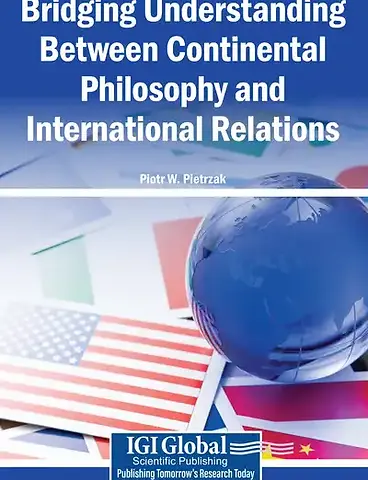
Continental philosophy and international relations are distinct fields, often separated by differences in methodology, language, and intellectual tradition. While mainstream international relations theory emphasizes rationalism, positivism, and state-centered analysis, continental philosophy offers alternative perspectives that focus on power, identity, ethics, language, subjectivity, and the formation of social realities. Bridging these fields creates opportunities for a better understanding of global politics by exploring how ideas, discourses, and historical conditions shape international institutions. Scholars can challenge established assumptions about sovereignty, security, diplomacy, and global justice. By fostering dialogue between continental philosophy and international relations, researchers can develop more nuanced approaches to understanding the complexities, uncertainties, and ethical dilemmas that characterize current global affairs.
Bridging Understanding Between Continental Philosophy and International Relations (2027) examining the philosophical contributions of major continental thinkers and their relevance for international relations theory. It explores how these traditions inform core international relations debates on agency, ethics, ideology, discourse, temporality, and emancipation, influencing approaches ranging from critical and constructivist theory to postcolonial and normative international relations. This book covers topics such as global business, political science, and democracy, and is a useful resource for government officials, philosophers, political scientists, academicians, researchers, and scientists.